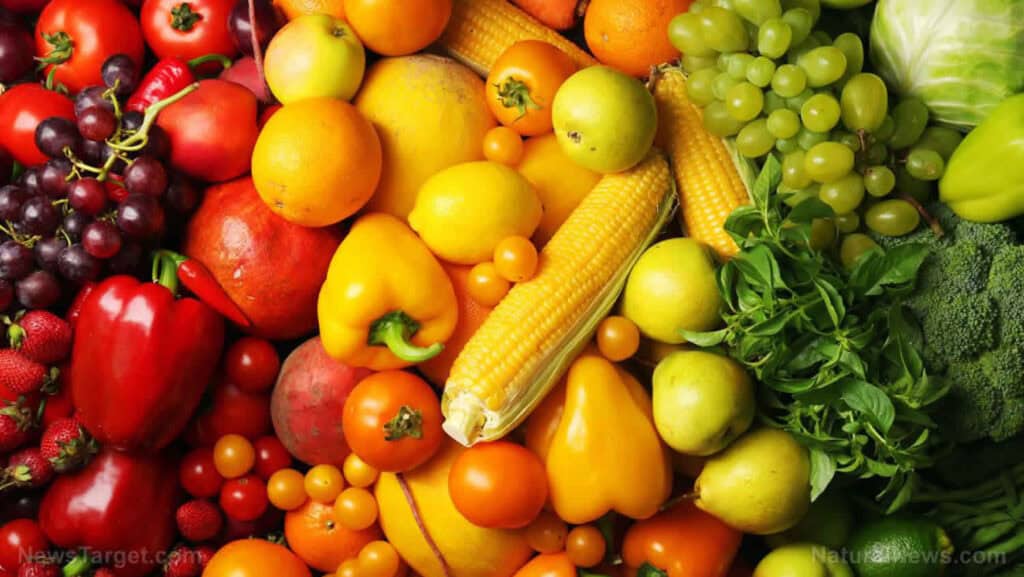
According to Next Move Strategy Consulting, the Carotenoids Market is experiencing significant growth, fueled by rising demand for natural ingredients, clean-label products, and increasing awareness of the health benefits of carotenoids. The market size is projected to reach USD 2 billion by 2030, representing a compound annual growth rate (CAGR) of 4% from 2024 to 2030.
Carotenoids: A Key Ingredient for Health and Wellness
Carotenoids Market are natural pigments found in plants and are a vital source of antioxidants. Known for their vibrant yellow, orange, and red colors, carotenoids are widely used as colorants in the food industry. They also offer significant health benefits, especially related to eye health and overall wellness, making them a sought-after ingredient in dietary supplements, fortified foods, cosmetics, and pharmaceuticals.
Click Here for Your FREE Sample!
As the focus on natural ingredients intensifies, carotenoids, which are rich in Vitamin A, have gained prominence due to their positive health attributes. These compounds, including beta-carotene, lutein, lycopene, and astaxanthin, are well-regarded for their antioxidant properties, which help combat free radicals and support immune function. Furthermore, carotenoids are associated with reducing the risk of chronic conditions, such as cancer, cardiovascular diseases, and macular degeneration.
Market Dynamics and Trends: Clean Labels and Growing Health Awareness
The growing consumer shift towards clean-label and natural products is one of the primary drivers of the carotenoids market. Consumers are increasingly demanding products with transparent, easy-to-understand ingredients, and carotenoids meet this demand by offering a natural alternative to synthetic additives.
This innovative product is derived from concentrated carrot juice and beta-carotene, providing a natural colorant and nutrient solution without the use of silicon dioxide. The move reflects the broader industry shift towards natural ingredients and clean labels, driving the expansion of carotenoids in food and beverage products, such as beverages, yogurt, gummy candies, cakes, and frozen desserts.
Beyond the food and beverage sectors, carotenoids’ antioxidant benefits have increased their demand in dietary supplements and functional foods, especially as consumers seek to enhance their health and wellness through nutrition. In particular, carotenoids like beta-carotene and lutein have garnered attention for their ability to support vision health and reduce the risk of age-related macular degeneration.
Additionally, the increasing prevalence of cancer has spurred the demand for carotenoids like beta-carotene, lycopene, and lutein, which have been associated with a reduced risk of certain cancers, including lung, prostate, and colorectal cancer. These health benefits are pushing manufacturers to include carotenoids in various functional foods, dietary supplements, and even pharmaceuticals.
Advancements in Microbial Production: A Promising Opportunity
While the demand for natural carotenoids is high, their production costs, particularly from natural sources, can be prohibitive. However, advancements in microbial production techniques have created an opportunity for reducing costs and increasing the availability of carotenoids. The use of modular engineering for microbial production is enhancing the efficiency and sustainability of carotenoid production. This process involves using engineered microorganisms to produce carotenoids at scale, offering a more cost-effective and environmentally friendly alternative to traditional methods.
Modular engineering techniques allow greater control over microbial processes, optimizing yields and reducing environmental impacts, thereby presenting a lucrative growth opportunity for the carotenoids market.
Segmentation and Regional Analysis
The carotenoids market is segmented into various types, sources, applications, and regions:
- By Type: The market includes a diverse range of carotenoid types, including annatto, astaxanthin, beta-carotene, canthaxanthin, lutein, lycopene, zeaxanthin, and others.
- By Source: Carotenoids can be sourced naturally or synthetically, with natural carotenoids being more in demand due to growing consumer preference for natural ingredients.
- By Application: The primary applications of carotenoids are in the animal feed industry, food and beverages, dietary supplements, cosmetics, and pharmaceuticals.
In terms of geography, Europe holds the largest market share and is expected to continue dominating the carotenoids market during the forecast period. This dominance is attributed to the strong presence of major market players, such as BASF, Koninklijke DSM, and Chr. Hansen, who are expanding their operations and contributing to the growth of the industry.
Moreover, the growing e-commerce industry in Europe is also playing a vital role in boosting the carotenoids market, as consumers increasingly turn to online platforms to purchase dietary supplements and other carotenoid-infused products.
In the Asia-Pacific region, the carotenoids market is expanding rapidly due to the large population and growing awareness of health and wellness. The region’s burgeoning food and beverage industry, alongside the increasing demand for natural additives, is driving the market. As a result, manufacturers are looking to capitalize on the substantial market opportunities in this region.
Competitive Landscape: Leading Players and Strategic Initiatives
Key players in the carotenoids market include Koninklijke DSM, BASF SE, Chr. Hansen A/S, Kemin Industries, Lycored Ltd., Fuji Chemical Industry Co. Ltd., Dohler Group Se, Allied Biotech Corporation, Farbest Brands, and Excelvite Sdn. Bhd. These companies are adopting various strategies, such as product launches, acquisitions, and partnerships, to strengthen their market position.
This collaboration allows both companies to further develop customer-centric products, enhancing their presence in the carotenoid market.
These solutions cater to the growing demand for organic meat and dairy products, demonstrating Kemin’s commitment to meeting consumer demand for healthier and more natural food ingredients.
Market Outlook and Future Prospects
The carotenoids market is poised for continued growth, driven by an increasing demand for natural, health-promoting ingredients in food, beverages, supplements, cosmetics, and pharmaceuticals. While challenges remain, such as the higher production costs associated with natural carotenoids, advancements in microbial production and strategic initiatives by market leaders are set to create new opportunities for growth.
Source: PR News Releaser
