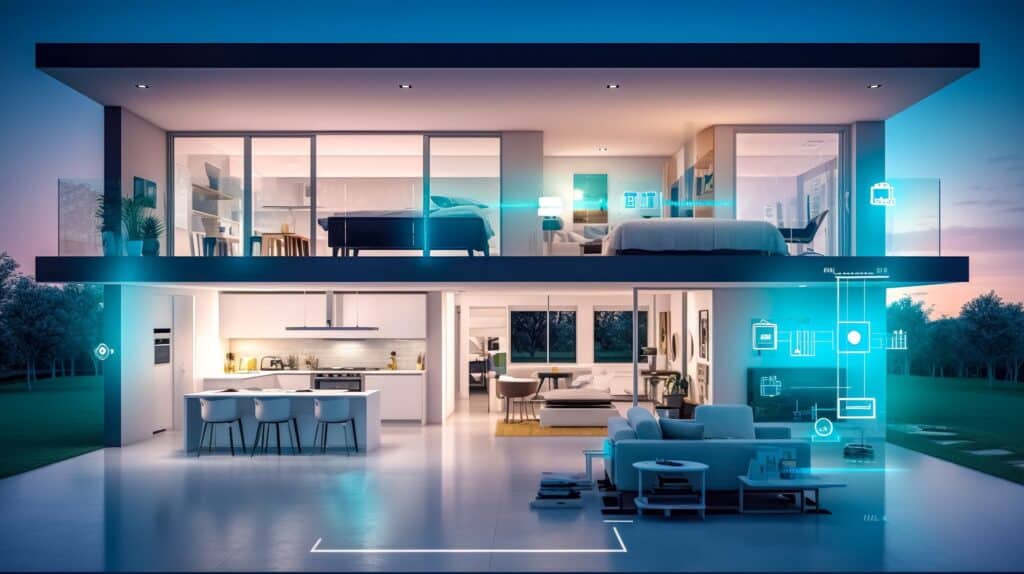
The Middle East Smart Home Market is witnessing a significant transformation, driven by technological advancements, evolving consumer preferences, and substantial government support. As of 2030, the market is expected to reach approximately USD 31.13 billion, with an anticipated compound annual growth rate (CAGR) of 21.5% from 2024 to 2030. Factors such as urbanization, a high rate of smartphone penetration, an increasing demand for energy-efficient solutions, and the proliferation of Internet of Things (IoT) devices are fueling this growth. The market is also bolstered by the region’s shift toward sustainability and energy conservation, which is particularly evident in countries like Saudi Arabia and the UAE.
Technological Drivers and IoT Integration
The proliferation of IoT-enabled devices is a key driver of growth in the Middle East smart home market. IoT technology allows for the interconnection of various devices, enabling homeowners to monitor and control appliances, lighting, heating, and security systems from anywhere in the world using smartphones or voice-controlled assistants. The rapid adoption of 5G technology is also providing a robust infrastructure for the growing number of connected devices, enhancing the reliability, speed, and integration of smart home solutions.
By 2025, it is estimated that nearly 80.7% of households in the region will have adopted at least one smart device, with this penetration increasing to 87.8% by 2029. Smart appliances, energy management systems, and security solutions are particularly in demand. With households increasingly focusing on reducing energy consumption and enhancing their home security, the market for energy-efficient devices, such as smart thermostats, lighting, and AI-powered climate control systems, continues to gain traction.
Government Initiatives and Urban Development
Governments across the Middle East are actively supporting the adoption of smart home technologies through various programs, initiatives, and investments aimed at creating smart cities. Both Saudi Arabia and the UAE are at the forefront of this movement, with projects such as Saudi Arabia’s “NEOM” city, a $500 billion futuristic city that is being built as a smart city from the ground up. The UAE has also made significant progress in creating smart cities, especially in Dubai, which is home to numerous smart home innovations.
In addition to large-scale smart city projects, governments in the region are offering incentives, subsidies, and rebates to encourage consumers to adopt smart home technologies. These policies are aimed at reducing energy consumption, lowering carbon footprints, and improving the quality of life for residents. Government-backed initiatives such as the UAE’s “Energy Efficiency Program” encourage the installation of energy-efficient appliances and smart devices in both residential and commercial spaces.
Market Segmentation
The Middle East Smart Home Market is diverse, with several key segments driving growth:
Click Here for Your FREE Sample!
- Smart Appliances: This segment, which includes smart refrigerators, washing machines, ovens, and air conditioners, is growing rapidly. These devices offer features such as remote monitoring, energy optimization, and personalized settings. Smart appliances are appealing to consumers who prioritize convenience, energy efficiency, and long-term cost savings.
- Security and Surveillance Systems: Security is one of the most crucial aspects of smart home technology. In the Middle East, where safety and privacy are top priorities for homeowners, demand for smart security solutions, such as surveillance cameras, motion detectors, and smart locks, is growing. These systems not only provide real-time monitoring and alerts but also offer enhanced features like facial recognition and AI-powered anomaly detection.
- Energy Management and Sustainability Solutions: As the region faces rising energy costs and increasing concerns about environmental impact, energy management solutions are in high demand. Smart thermostats, smart lighting, energy-efficient HVAC systems, and solar-powered devices are becoming integral parts of the Middle Eastern smart home ecosystem. These solutions help homeowners optimize energy use, lower utility bills, and reduce their carbon footprint.
- Control and Connectivity Systems: Centralized control systems that allow homeowners to manage and automate their smart devices are gaining popularity. Smart hubs, voice assistants like Amazon Alexa and Google Assistant, and smartphone apps that integrate with IoT devices allow for seamless control of lighting, temperature, and security systems. This segment is expected to experience significant growth, particularly as consumers seek more integrated and intuitive home automation solutions.
- Healthcare and Wellness: The increasing demand for health-conscious living has led to a surge in smart home devices that monitor wellness. From smart wearables that track fitness levels to advanced healthcare systems that monitor air quality and detect pollutants, the wellness aspect of smart homes is becoming a significant market segment. Devices that provide health-related information, such as heart rate monitors, sleep tracking, and home fitness equipment, are expected to see continued growth as people become more focused on maintaining their health.
- Entertainment and Audio-Visual Systems: With the increasing popularity of home entertainment, smart TVs, streaming devices, and home theater systems are in high demand. Middle Eastern consumers are embracing connected entertainment solutions that offer access to streaming platforms, gaming, and immersive experiences. This segment is particularly influenced by the growing interest in smart home integration, where entertainment systems can be controlled through voice commands or centralized apps.
Consumer Trends and Preferences
Middle Eastern consumers are showing a growing preference for premium, high-quality smart home products, with a strong emphasis on functionality, aesthetic design, and energy efficiency. Many consumers in the region are highly tech-savvy and are willing to invest in devices that offer advanced features, superior performance, and the convenience of smart control. For example, smart thermostats, air purifiers, and intelligent lighting systems are becoming must-have devices for many Middle Eastern households.
In addition to high-end smart home devices, consumers are increasingly interested in personalized solutions that fit their unique needs and lifestyles. Customizable smart homes, where residents can adjust settings for lighting, climate, and security based on their preferences, are becoming more popular. The rise of AI-driven home automation, which can learn and adapt to user behaviors over time, is another trend that is reshaping the smart home market.
Conclusion
The Middle East smart home market is poised for significant growth over the next decade, driven by technological innovations, consumer demand for convenience, and government-backed initiatives aimed at promoting smart cities and energy efficiency. As the market matures, the focus will shift toward enhancing security, improving device interoperability, and integrating AI-driven automation for more personalized experiences. With increasing investments in smart technologies and a growing consumer base, the Middle East is set to become one of the world’s leading regions for smart home adoption.
Source: PR News Releaser
